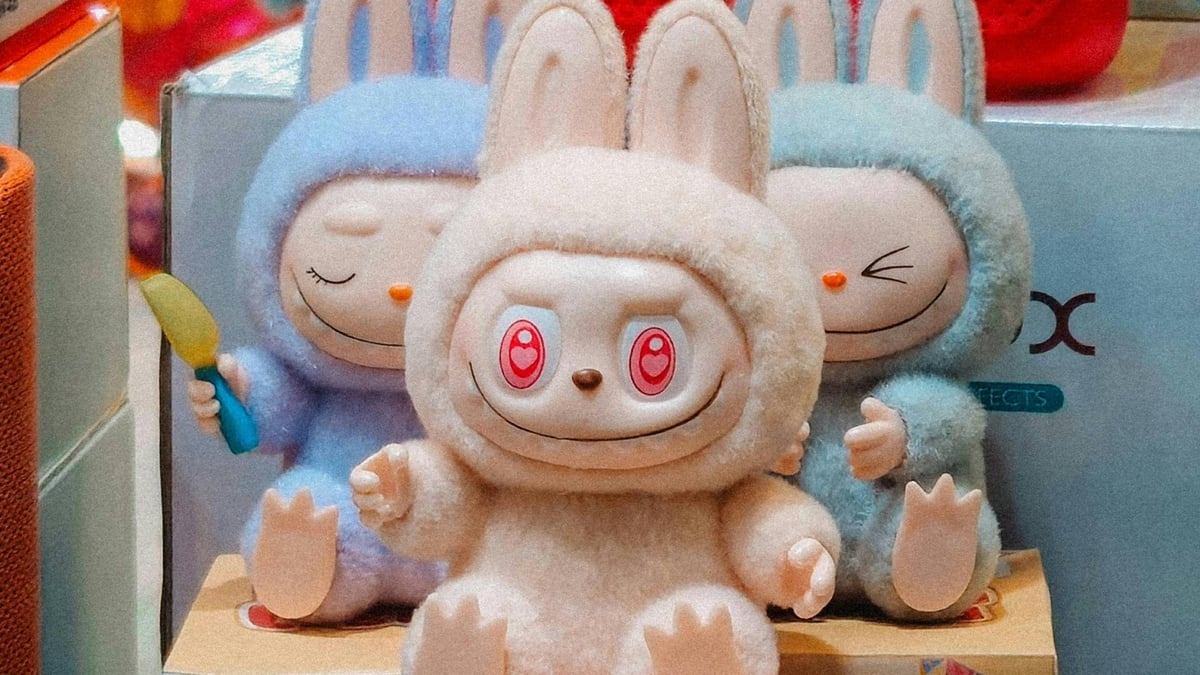
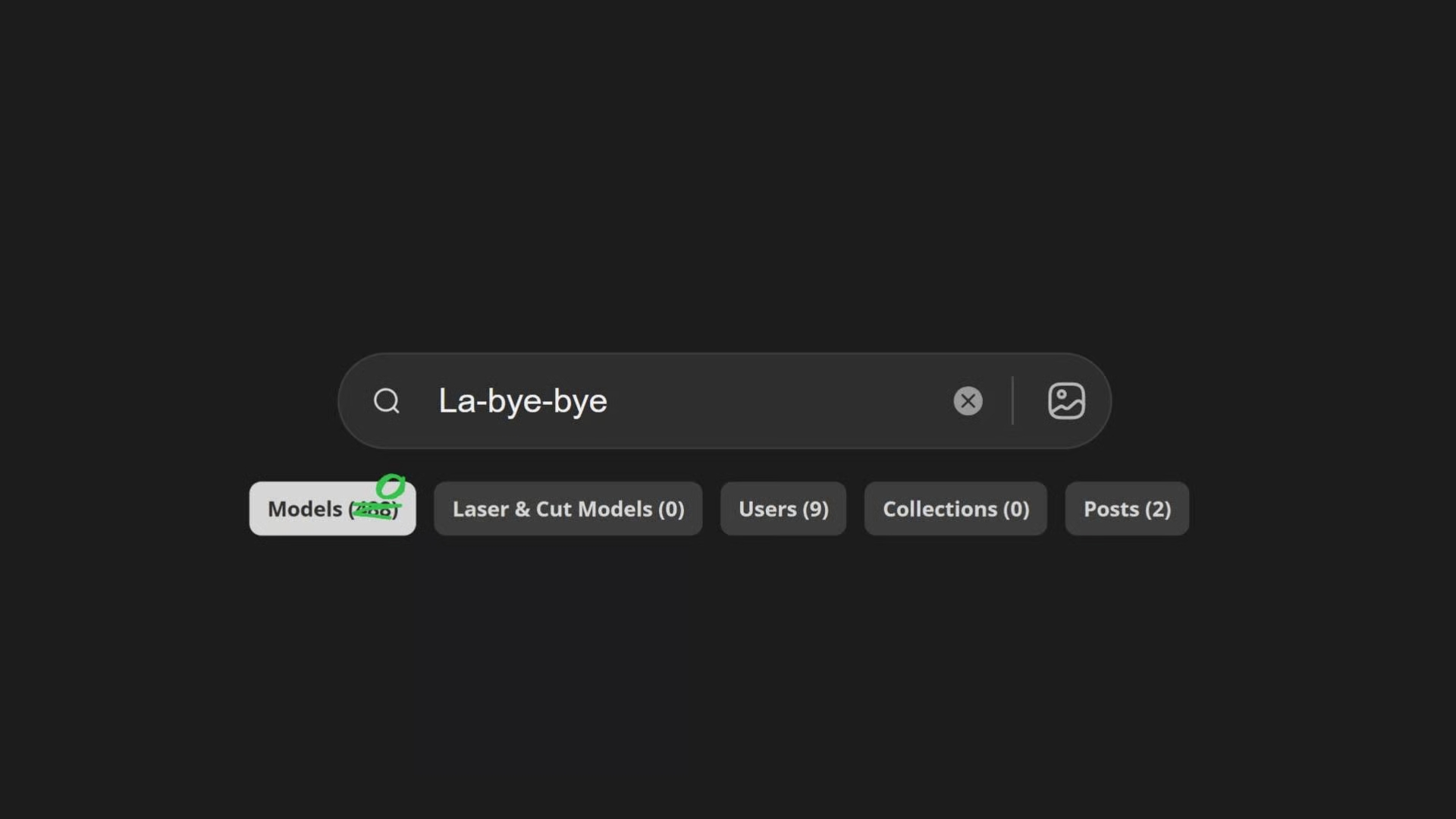
Forums around the MakerWorld platform have been buzzing with posts of odd takedowns on innocuous 3D models. According to reports, Pop Mart, the maker of Labubu collectible dolls, is taking MakerWorld and Bambu Lab to court in China.
Another one for the “headlines I didn’t think I’d be writing” list. Pop Mart, the company responsible for the Labubu blind-box monster doll collectible, appears to have caused a ruckus on MakerWorld recently, triggering what appeared to be a blanket takedown of models that infringe on its IP, as well as many that, seemingly, don’t.
Recent reports on the Bambu Lab forum, Facebook, Reddit, and probably many other corners of the internet I don’t frequent, concerning inexplicably removed models all share one thing in common: the message that the content has been removed because it allegedly infringed on Pop Mart’s IP rights.
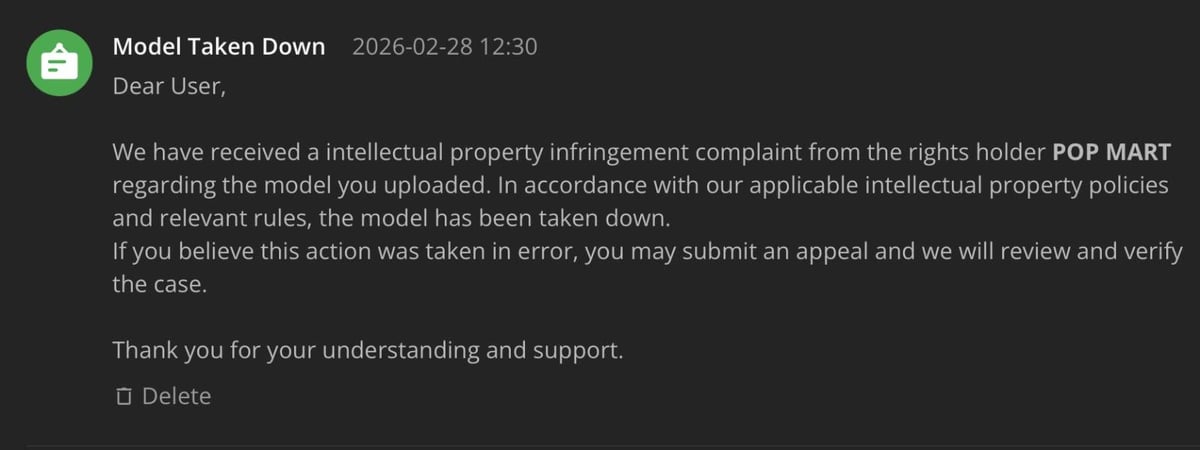
It is standard and expected that individual models can be reported to platforms like MakerWorld, with a takedown process following to police misuse. This has been the status quo of user-generated content sites for a long time. MakerWorld even began rolling out tools to its users to strengthen their ability to protect their work from unauthorized copies as recently as last month.
But this is different. Where big brands are concerned, many choose to overlook the spread of “fan-service” and, in some cases, outright copies of their characters and works. It’s a loose, free feedback loop for encouraging fandom, with such “grey” area. Models that infringe on big brands like Disney and Marvel exist everywhere on modern file repositories – it’s technically infringing on the IP, but is quietly accepted as part of the social contract. Not to Pop Mart, though.
According to a report on World Journal, Taiwanese-American news outlet, Pop Mart’s action is more severe than simple takedowns, with them taking legal action against MakerWorld over copyright infringement disputes.
Bambu Lab, parent company of MakerWorld, declined to comment when we approached it with questions for this story. A comment in at least one thread we have seen, apparently written by a Bambu Lab employee, chalks the improper model removals to an “operational error” on MakerWorld, and that most of the affected models should be back. Looking at some of the models that were incorrectly removed, that does indeed appear to be the case, though anyone affected with content left offline should contact the company to get them reinstated.
So what’s actually happening?
Various Chinese-language media outlets allude to Pop Mart taking some combination of Bambu Lab and MakerWorld entities to court. Unlike in the U.S. and Europe, where court filings are often publicly accessible, in China they are not, meaning we have little information to work with.
The catalyst for all this is a growing trend in China for Labubu fans to ditch the originals for freely 3D printable copies – to “achieve Labubu freedom through 3D printing” – according to a post on Chinese investments news website, Futunn.
For those out of the loop, Labubu is a jagged-toothed vinyl-faced plushie doll, created by Hong Kong artist Kasing Lung and produced by Pop Mart. They come in so-called “blind boxes” where you don’t know which you get when you buy it. Some are rare, making them highly collectible and driving resale prices up.
I’m not familiar with the cause to “free” them with 3D printing in China, but it stands to reason that being able to print whichever you want at a trivial cost might rub execs at Pop Mart the wrong way.
One analysis points to platform-based infringement being a potential risk to MakerWorld. That argument could fall on whether actions like helping users search for the content with dedicated tags, featured collections or similar navigational aids is deemed complicity. This would fall outside the typical safe-harbor protections given to hosting content platforms, as it would require knowledge of the infringing content’s presence on the site and proactive actions to encourage more, rather than, to put it simply, “owning the building and letting others use it.”
World Journal cites April 2 as this case’s day in court, but we have not been able to verify this.
Despite the absence of hard information about what is clearly a very fresh case, one thing is crystal clear: MakerWorld embarked on an aggressive deletion spree recently. You could reasonably expect to find something, anything Labubu-aligned on an open 3D model platform, but a search today brings up zero hits. Whatever mechanism they used to achieve this caught unrelated models in its dragnet, serving them the mass Pop Mart IP claim notification in the process, too.
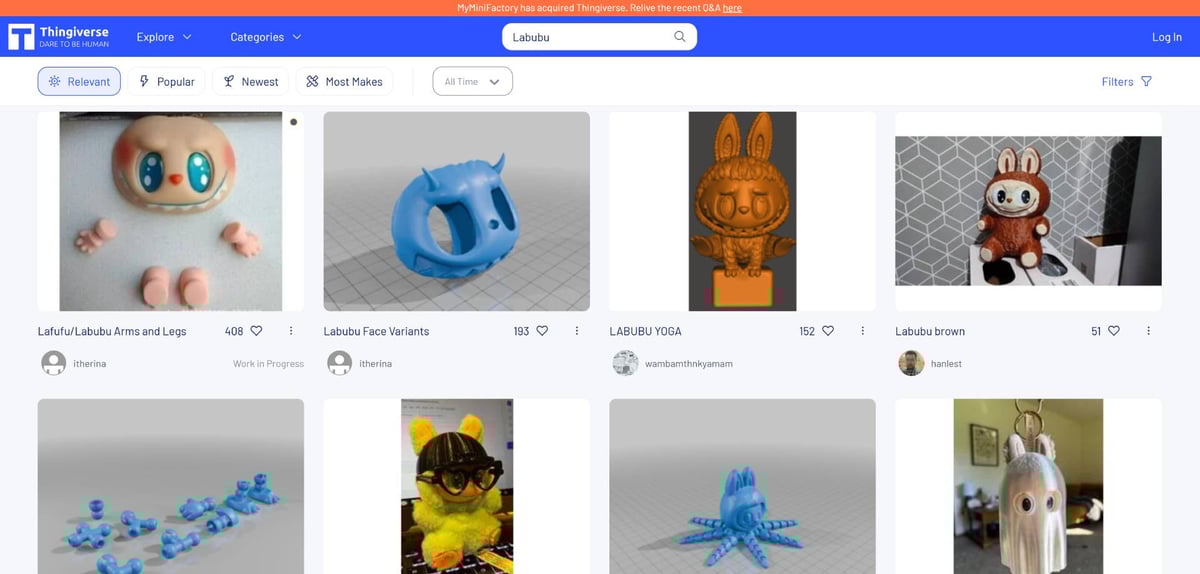
Looking at the 3D model repositories for other desktop printer manufacturers from China, none of them host Labubu or Labubu-like models anymore, suggesting that other platforms are watching this unfold closely and have scrubbed their sites in anticipation, or were contacted by Pop Mart’s representatives, too. At the time of writing, Labubu and Labubu-like models are still available to download on Printables, Thingiverse, and Thangs – all sites that are available in China according to experte.com firewall checker.
Thought Experiment: Could It Set a Precedent?
We know next to nothing about the case and its specificity, so I’m disclaiming everything that follows is just a thought experiment, playing out one scenario that could change things for us all.
It’d be easy to dismiss this as a local spat between Chinese companies, but if the idea of some kind of platform-based infringement – if that’s even what is being argued in this dispute – is successful against one of the biggest platforms, it could result in changes to the nature of 3D model repositories, potentially ending the tolerance for “grey” IP. The rights-holder of a well-known characters or forms (say, Nintendo, Disney, Funko Pop…) would have single larger and better funded targets for infringement claims, rather than playing whack-a-mole against individual creators as they may have done in the past.
Any platform and policy changes that result would ripple to other regions; a locally-forced change in approach easily becomes the de facto standard for a global site. Having technology in hand that’s capable of detecting “recognizable” infringing content – as MakerWorld partner FirstBrave appears to be capable of – could neuters a platform’s defense that it didn’t know or was party to what its users do because the preliminary step to prevent it becomes trivial.
For platforms that offer incentive structures for sharing models, things get murkier still. One of the reports from China on the case points to the rewards system as sign of the system incentivizing piracy of the IP. Can the platform claim neutrality about the content it hosts and displays to users if there are popularity-based systems in place and monetary rewards for earning that popularity?
The movements we’re seeing in how some 3D model platforms are jostling to protect their ecosystems and creators, as well as reward them, while simultaneously hosting a lot of “grey” IP, suggest that sooner or later, something’s got to give. And Labubu, of all things, might be the face that tips things over.